Maybe Sonoma's Greatest Export Isn't Wine
A whirlwind return to film Her Way, and the question I can't stop asking every time I leave.

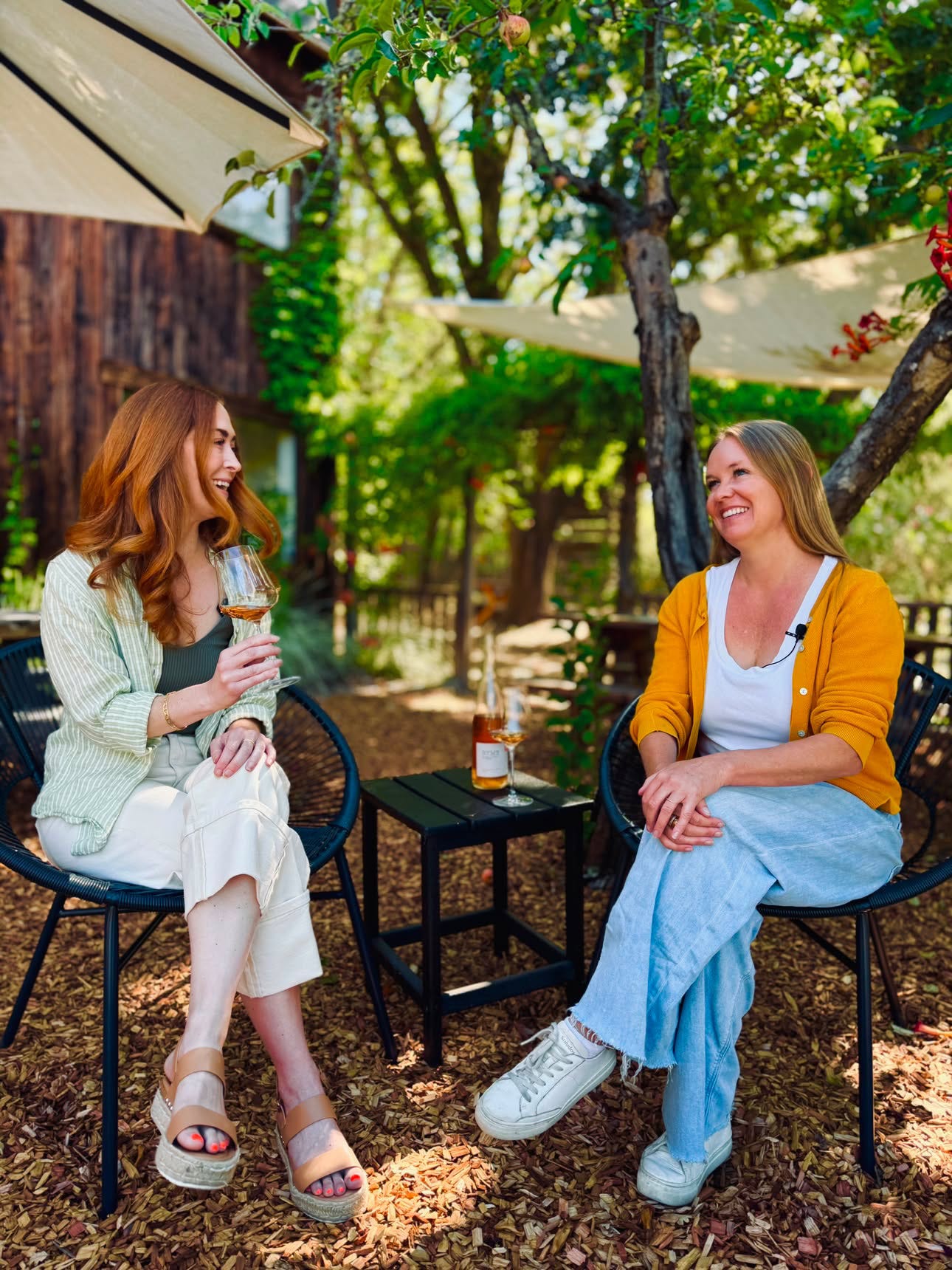
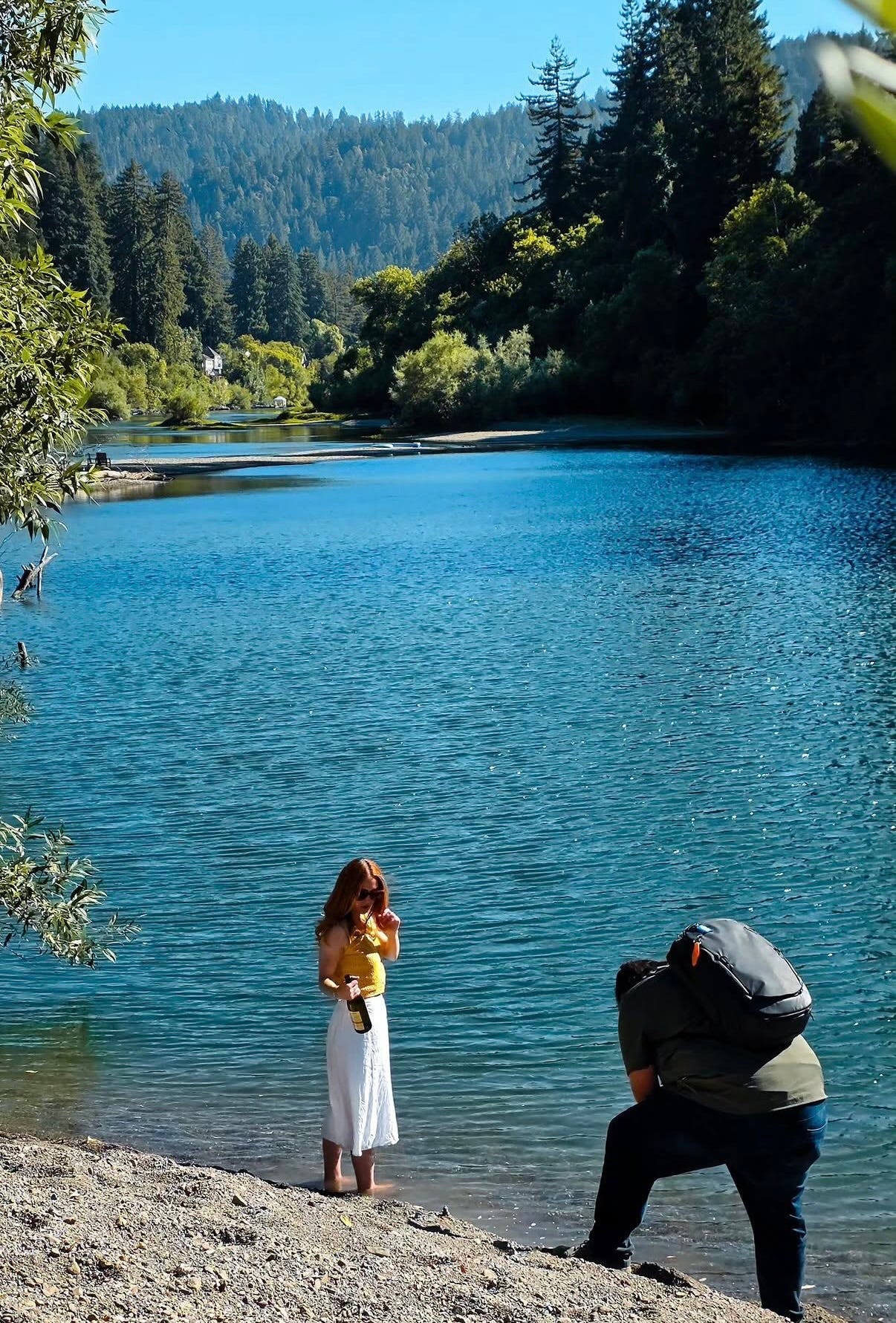
A few days ago, I flew down to Sonoma for a whirlwind two days of filming for Her Way.
Or, more accurately: re-filming.
One of the things I’ve learned over the past year making a documentary series is that you don’t actually know exactly what story you’re trying to tell until you begin editing it. Once we got into the Sonoma episode, we realized there were a few conversations we wished we’d lingered on a little longer, along with some visual moments and connective tissue that would help bring the story to life.
The beautiful—but slightly inconvenient—thing about vineyards is that they’re seasonal. If we wanted the episode to cut together seamlessly, we needed to wait until the vines, weather, and landscape looked just like they did last summer. So this week, once everyone’s schedules finally aligned, we headed back.
And this time there were only three of us.
I’ll admit, that made me a little nervous considering we had a crew of nearly ten people during the original shoot. But it turned out to be one of those wonderful reminders that sometimes less really does give you more. With fewer moving pieces, everyone knew exactly what we were there to do. We were calmer, more focused, and far more present. Ironically, we ended up shooting nearly as much footage in those two days as we captured during our week-long trip last summer. It was exhausting, incredibly gratifying, and one of my favorite filming experiences we’ve had so far.
The thing that has stayed with me, though, isn’t actually the filming…
It’s Sonoma itself.
Sonoma has become a real home away from home for me over the last five years, ever since one of my best friends moved down there. I know I’ve said this before (and I swear I don’t secretly work for the Charles Schulz Airport), but that little direct flight from Portland to Santa Rosa is one of my favorite trips in the world. The airport has fewer than ten gates, you can practically stroll onto your flight and, most importantly, your first case of wine flies free.
All of this is to say...I spend a fair amount of time in Sonoma. And every single time I leave, I find myself asking the exact same question:
What is it about this place?
A year and a half ago, I brought the Arden team down to cook a dinner at Scribe Winery. By the end of the trip, the running joke among our team was, “Is there lithium in the water?”
Why is everyone here so happy?
Or maybe happy isn’t even the right word… Grounded. Content. Comfortable in their own skin.
I’ve been asking myself ever since whether Sonoma creates people like this? Or whether Sonoma simply attracts people who were already searching for this kind of life?
This week’s trip only made me wonder about it even more.
We reached out to the three women winemakers we’d originally interviewed with very little notice, hoping they might have a sliver of time to spare. Every single one of them rearranged their schedules and welcomed us back with so much generosity. And with such a tiny crew this time around, the conversations somehow felt even richer than they had initially. There were fewer distractions, fewer moving parts, and more space to simply listen, and appreciate what an extraordinary community these women have built.
The crazy thing is that all three of these women have built incredibly successful wine brands, and yet none of them seem particularly interested in success for success’s sake.
There’s remarkably little ego. They aren’t making wines to chase trends, collect accolades, or prove anything to anyone. They just seen to be making wines that make them happy.
And the more I consider that, the more I realize what an act of rebellion that is…
Because I don’t actually think it’s actually about the wines. I think they’ve built lives that make them happy, and the wines are simply the expression of that.
How many of us can honestly say the same thing about our own work?
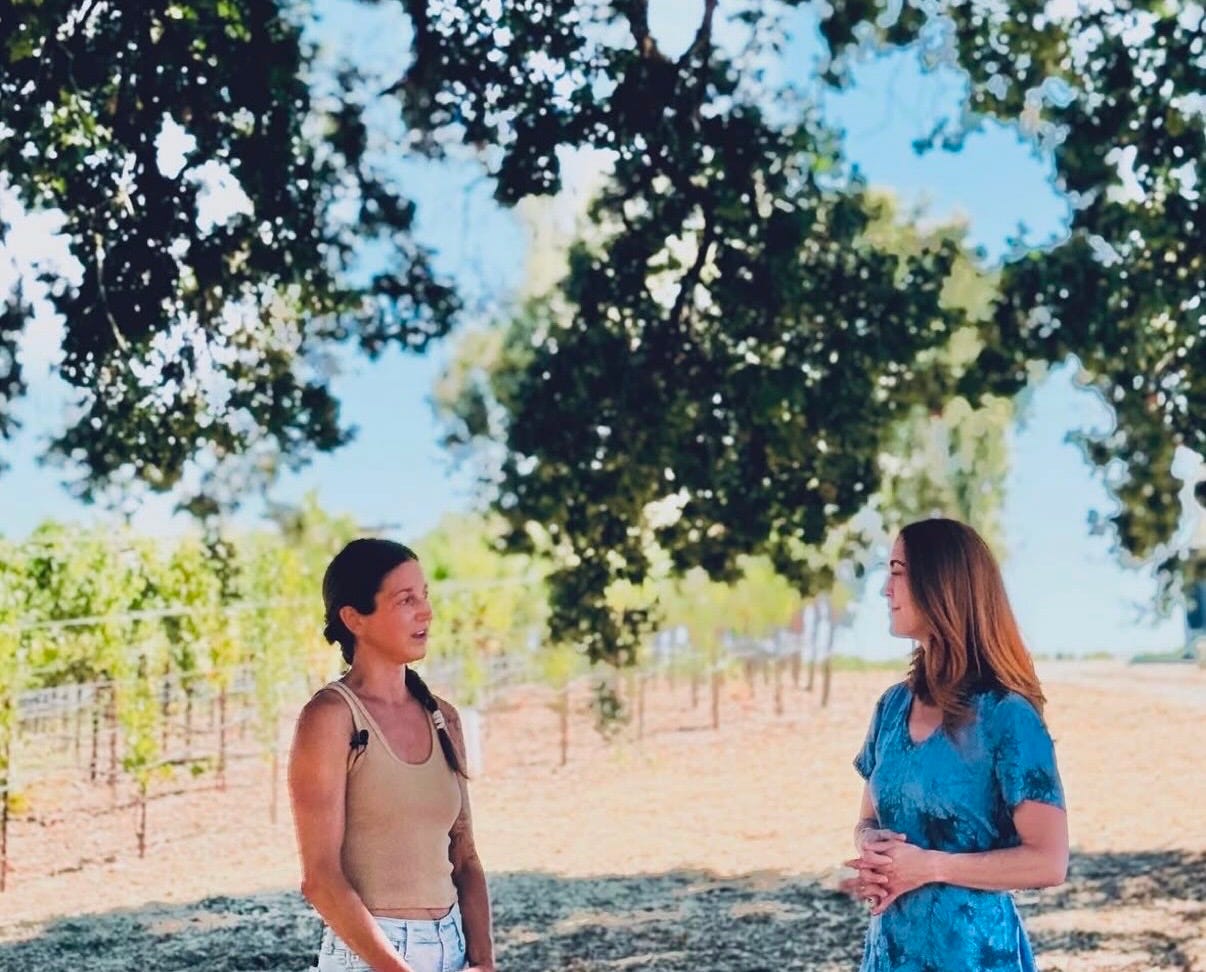
Jenny Schultz of Jolie-Laide essentially reinvents her brand every year… new artwork, new fonts, new wines. Every branding expert on earth would probably advise against it, but Jenny simply follows what feels creatively alive to her. The wines evolve because she evolves, and she has no interest in pretending otherwise.
Megan Glaab of Ryme took a similarly unconventional path. Instead of building a winery around the classic California playbook of Chardonnay and Pinot Noir, she and her husband looked toward Southern Italy and started making the wines they genuinely wanted to drink. But when I tried to ask Megan about helping pioneer that movement in California, she practically squirmed. She wasn’t interested in being called a trailblazer. Her answer was essentially, “These are the wines we wanted to drink...so why would we make anything else?”
That answer has stuck with me. What’s the point of doing something that doesn’t make you happy?
Maybe some of that reluctance to claim credit is a woman thing. We’re not always particularly well-trained to announce our own accomplishments. But I also think some of it is a Sonoma thing.
There’s this quiet, earth mama confidence that seems to run through so many of the women (and larger community) there. They’re deeply creative but remarkably unpretentious, and even though they’ve built wildly successful businesses, they’re still experimenting, still changing, still listening to themselves instead of to the market. They’re not there for the gold stars… but because they genuinely love the work, the land, and the life they’ve built around it.
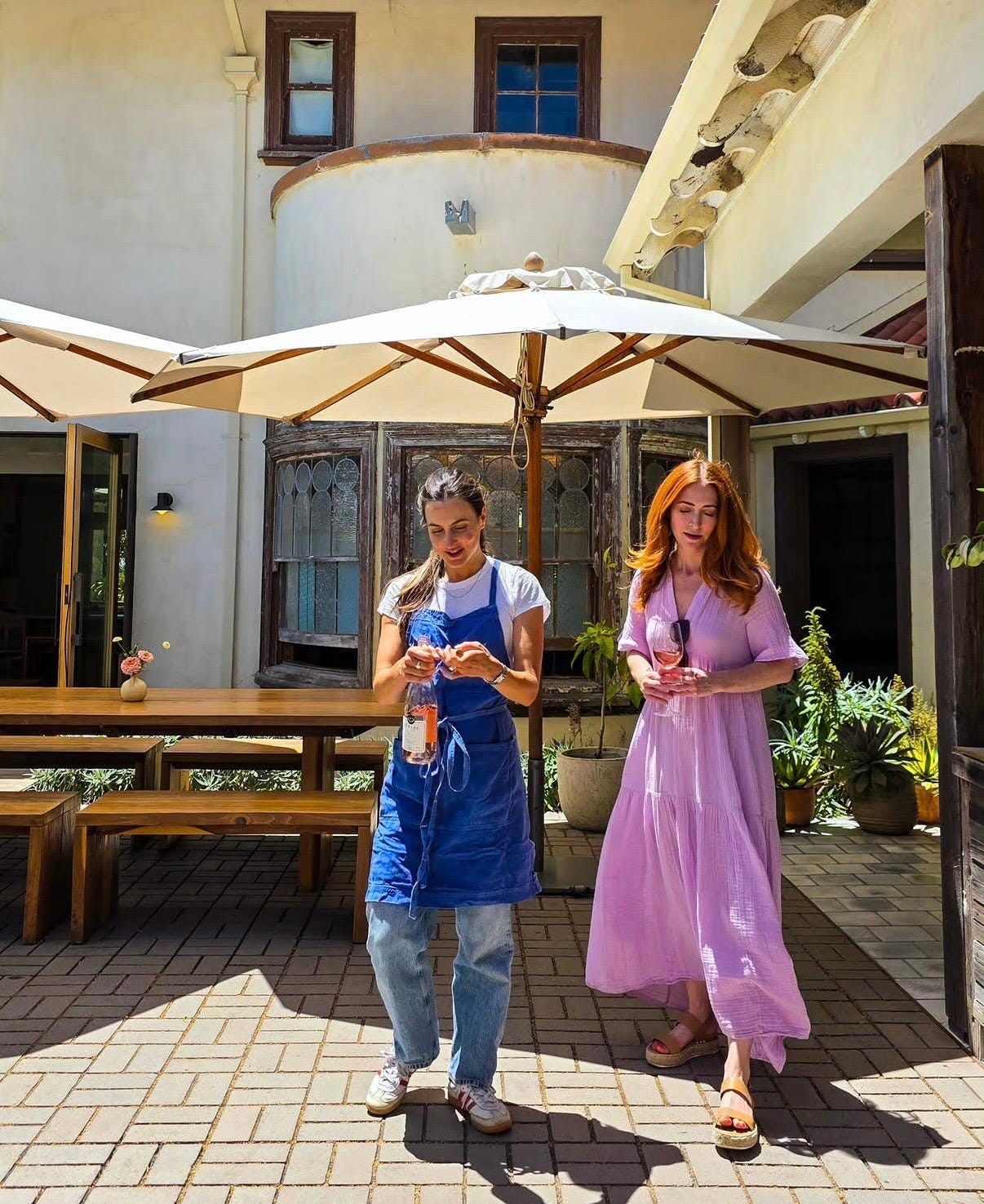
We ended our trip back at Scribe, where so much of our conversation centered around agriculture. That’s really the heartbeat of Sonoma. Wine doesn’t exist separately from farming there. It’s intertwined with the seasons and the rhythms of everyday life. Scribe has become one of California’s most recognizable wineries, yet every single person you meet on that property is welcoming humble, and so full of warm, authentic hospitality.
So I’m still left with the same dang question:
Does Sonoma create people like this?
Or does it simply attract people who were already looking for a life built around curiosity, creativity, community, and joy?
Maybe great places don’t fundamentally change us. Maybe they just make it a little easier to become more fully ourselves.
Whatever the answer, I am home feeling incredibly grateful—not just because I think we finally captured the episode we’d been trying to make all along, but because I got to spend two days with people who reminded me that success doesn’t have to come at the expense of soul.
Maybe Sonoma’s greatest export isn’t wine.
Maybe it’s permission.